A Park Hall Homeowner’s Guide to Long-Term Mold Prevention
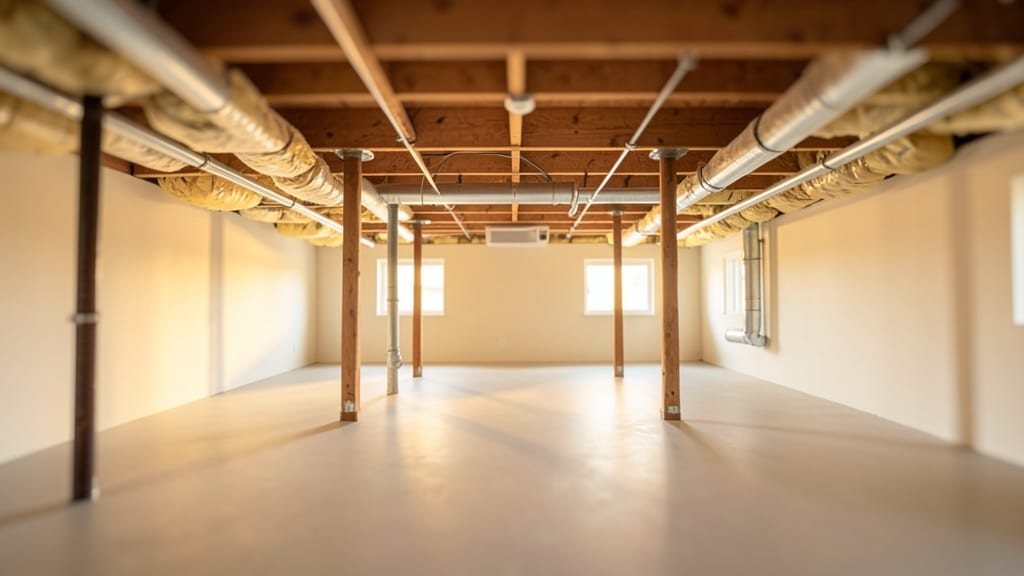
Mold thrives in the humid, temperate climate of Southern Maryland, making Park Hall homes especially vulnerable. Effective prevention starts with controlling moisture and addressing hidden leaks before spores take hold. This guide outlines practical, long-term strategies to keep indoor spaces dry and mold-free.
Understanding Mold Growth in Southern Maryland
Park Hall’s proximity to the Patuxent River and Chesapeake Bay creates a humid environment ideal for mold. Spores need only moisture, organic material, and 24–48 hours to colonize.
Common culprits include poor ventilation in bathrooms, damp crawl spaces, and attics with trapped heat. Basements in older homes often lack vapor barriers, accelerating growth.
Key Areas Prone to Mold in Park Hall Homes
Bathrooms and kitchens see frequent moisture from showers, sinks, and appliances. Without exhaust fans or open windows, humidity lingers on drywall and grout.
Crawl spaces and basements are high-risk due to ground moisture seepage. Attics suffer from roof leaks or improper insulation, trapping condensation.
HVAC systems can spread spores if ductwork harbors mold. Laundry rooms and garages often overlook ventilation, leading to hidden growth behind appliances.
| Area | Primary Cause | Secondary Risk Factors |
|---|---|---|
| Bathroom | Poor ventilation | Leaky pipes, porous grout |
| Crawl Space | Ground moisture | Lack of vapor barrier, poor drainage |
| Attic | Roof leaks | Insufficient insulation, trapped heat |
| Basement | Water seepage | Cracks in foundation, high water table |
| HVAC Ducts | Condensation | Dirty filters, poor airflow |
Moisture Control: The Foundation of Mold Prevention
Dehumidifiers are essential in Park Hall’s climate. Aim for indoor humidity below 50% to starve spores. Units with auto-drain features prevent standing water.
Fix leaks promptly—even small drips from pipes, roofs, or windows create chronic moisture. Inspect plumbing under sinks and around appliances quarterly.
Grading soil away from the foundation and extending downspouts 5–10 feet from the home reduces water intrusion. French drains or sump pumps may be needed in flood-prone areas like nearby Lexington Park.
Encapsulating crawl spaces with a vapor barrier and adding a dehumidifier can cut moisture levels by 60–80%. This is especially effective in older Park Hall homes with dirt floors.
Ventilation Strategies to Reduce Humidity
Exhaust fans in bathrooms and kitchens should run for 20–30 minutes after use. Ensure they vent outside, not into attics or crawl spaces.
Attic ventilation relies on soffit and ridge vents to circulate air. Blocked vents trap heat and moisture, a common issue in St. Mary’s County homes with finished attics.
Whole-house ventilation systems, like energy recovery ventilators (ERVs), balance airflow without losing energy efficiency. These are ideal for tightly sealed modern homes in areas like Wildewood.
Materials and Construction Choices That Resist Mold
Use mold-resistant drywall (e.g., paperless or fiberglass-faced) in bathrooms, basements, and laundry rooms. It’s designed to withstand moisture without supporting growth.
Seal porous surfaces like concrete, grout, and wood with mold-inhibiting primers. This is critical in flood-prone zones near Drum Point or Solomons.
Opt for moisture-resistant flooring like tile, vinyl plank, or sealed concrete in basements and bathrooms. Carpet in these areas traps moisture and should be avoided.
Mold-Resistant Upgrades for Your Home
- Replace standard drywall with paperless or moisture-resistant boards in wet areas
- Apply mold-inhibiting paint or primer to walls and ceilings
- Install vinyl or tile flooring in basements and bathrooms
- Use stainless steel or PVC trim in humid spaces
- Seal grout lines annually with a mold-resistant sealant
Seasonal Mold Prevention for Park Hall’s Climate
Spring brings heavy rains and rising humidity. Inspect roofs, gutters, and downspouts for clogs or damage. Clean gutters to prevent overflow near the foundation.
Summer’s heat and humidity demand vigilant dehumidifier use. Empty and clean units weekly to prevent mold growth inside the appliance.
Fall is ideal for sealing gaps around windows and doors to block moisture. Check attic insulation for gaps or compression, which can lead to condensation.
Winter’s temperature swings cause condensation on windows and in attics. Use storm windows and ensure attic vents remain clear of snow or debris.
Improperly insulated attics can develop ice dams, leading to leaks and mold. Ensure attic temperatures stay consistent to prevent melting and refreezing cycles.
When to Call a Professional for Mold Remediation
Visible mold covering more than 10 square feet typically requires professional remediation. DIY cleanups often miss hidden growth in walls or ductwork.
Musty odors without visible mold suggest hidden colonies. Professionals use moisture meters and borescopes to locate sources behind drywall or under flooring.
After water damage from storms, sewer backups, or pipe bursts, a mold inspection is critical. Park Hall’s proximity to waterways increases flood risks, especially in low-lying areas.
How to Conduct a DIY Mold Inspection in Your Park Hall Home
A thorough inspection helps catch mold early before it spreads.
- 1Gather Tools
Use a flashlight, moisture meter, and screwdrivers to access hidden areas. A borescope helps inspect inside walls or ductwork.
- 2Check for Visible Signs
Look for black, green, or white spots on walls, ceilings, and under sinks. Pay attention to corners and behind furniture.
- 3Follow Your Nose
Musty odors often indicate hidden mold. Trace smells to their source, especially in basements, attics, and crawl spaces.
- 4Inspect for Moisture
Use a moisture meter to check drywall, wood, and insulation. Readings above 15–20% suggest elevated moisture.
- 5Examine HVAC Systems
Check ductwork, coils, and drip pans for mold or condensation. Replace filters if they appear dirty or damp.
- 6Document Findings
Take photos and notes of any mold or moisture issues. This helps prioritize remediation and track progress.
Frequently Asked Questions
How often should I run a dehumidifier in my Park Hall home?
Run a dehumidifier whenever indoor humidity exceeds 50%. In summer, this may mean continuous operation, especially in basements or crawl spaces. Empty the tank daily or use a model with a drain hose.
Can mold grow on non-organic materials like metal or glass?
Mold cannot grow on inorganic surfaces like metal or glass, but it can grow on dust, dirt, or organic films coating these materials. Regular cleaning removes these food sources.
What’s the difference between mold and mildew?
Mildew is a surface mold that appears as a white or gray powdery substance, typically on shower walls or windows. Mold penetrates deeper into materials and can appear black, green, or brown. Both require moisture to thrive.
Are there specific building codes in St. Mary’s County for mold prevention?
St. Mary’s County follows Maryland’s building codes, which include requirements for ventilation, moisture barriers, and drainage. However, mold-specific codes are limited, so proactive prevention is key.
How can I prevent mold in my Park Hall rental property?
Educate tenants on moisture control, such as using exhaust fans and reporting leaks immediately. Schedule annual inspections for HVAC systems, plumbing, and crawl spaces. Consider professional mold testing between tenants.
Does homeowners insurance cover mold remediation in Park Hall?
Coverage varies by policy. Most standard policies exclude mold unless it results from a covered peril, like a burst pipe. Review your policy and consider adding mold endorsements if you’re in a high-risk area.